Courtesy of San Jacinto College South Campus Gallery
Part “time machine” and part exploration of iconic graphic design and cultural trends, Be Kind, Rewind: A Nostalgic Journey Through Toys, Games, and Pop Culture is an exhibition presented by the San Jacinto College South Campus Gallery, created in collaboration with the Houston Toy Museum, on view September 2 – November 6, 2025.
“The exhibition is essentially a giant time capsule of nostalgia, focusing on the 1970s, ’80s, and ’90s—think boy bands, Tonka Trucks, VHS tapes, and Happy Meals scattered throughout the gallery,” said Bradly Brown, Gallery Director and Art Professor, in an email to Houston Arts Journal.
Be Kind, Rewind aims not only to celebrate artifacts of childhood play but also to encourage social connection and shared experiences. Alongside displays of Barbies, G.I. Joes, Dungeons and Dragons, and Atari, the exhibition “features interactive video game stations, a VHS movie library, and immersive spaces where visitors can relive their memories and ‘choose their own adventure,’” according to a press release.
Located in Southeast Houston, the San Jacinto College South Campus Gallery has aimed to serve as a cultural hub between the Museum District and Galveston since opening in 2016. Bringing part of the Houston Toy Museum’s 10,000-plus toy collection from inside the Loop to outside the Beltway aligns with its mission to provide cultural access to the community.
“Last semester I connected with Matt and Sara Broussard from the Houston Toy Museum to see if they might be interested in a collaboration. They were excited about the chance to expand outside their Heights space and reach a new audience here at the college,” said Brown. “My department chair, Jeff McGee, also shares a love of pop culture, cartoons, and toys, so the partnership felt like a natural fit.”
From that partnership developed an exhibition that also supports the gallery’s multidisciplinary vision.
“We’re not just an art gallery, but a space that curates exhibitions rooted in programs like history, biology, geography, and literature so we can connect with a wide range of programs on campus,” Brown said.
Highlighting different aesthetic and cultural trends over the decades, Be Kind, Rewind is also “designed as a teaching resource—graphic design and typography classes can study advertising and layout, while drawing and photography students will have plenty of still life opportunities built into the installation,” he said. “The space is filled with little vignettes I hope will spark class projects, and I’m also encouraging the theater department to use the different rooms for improv or short performances.”
Admission is free to the San Jacinto College South Campus Gallery. Information on hours and events related to the exhibition can be found here.
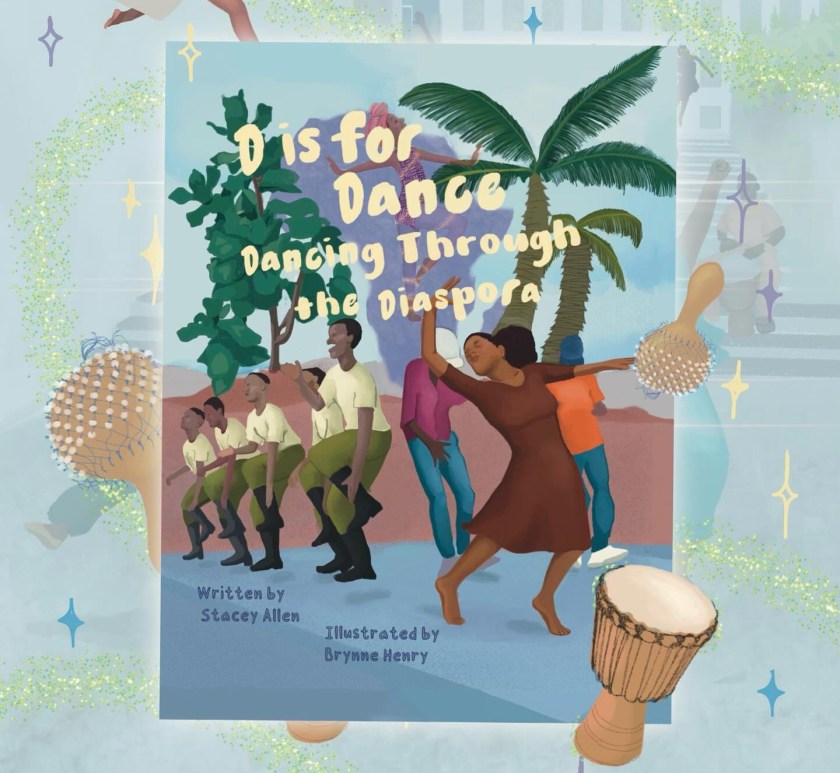
D is for Dance: Dancing Through the Diaspora is a children’s alphabet book written by Stacey Allen and illustrated by Brynne Henry / courtesy of Stacey Allen
Dancemaker, educator, and author Stacey Allen says she carries a message in her work.
“Especially in this moment, where erasure is real and showing up everywhere, particularly in literature, we have to give our children stories that are empowering and rooted in truth,” she said.
Illustrated by Houston artist Brynne Henry, D is for Dance celebrates the movement, history, and legacy of the African Diaspora—using each letter to tell stories about groundbreaking dancers, iconic dance styles, and cultural traditions.
This marks Allen’s second collaboration with Henry. Their first book together was A Little Optimism Goes a Long Way—a story about a young girl who discovers her joy of dancing, inspired by legendary dancer Katherine Dunham—which earned the 2024 Children’s Publication Award from the National Association of Multicultural Education.
“When I was teaching full time in schools, I needed more resources on African American Dance History—so I made them,” Allen shared in a social media post. “Both of my books were born out my commitment to fill that gap.”
That gap has been documented by the Cooperative Children’s Book Center (CCBC), which has been surveying diversity in children’s literature annually since 1994. Of the 3,619 books for children and teens received by the CCBC that were published in 2024, 13% were by Black/African authors/illustrators and 16% were about Black/African characters, settings, or topics. Those percentages have been steadily increasing since 2019, when only 5.5% children’s book were by Black/African creators and 11.8% contained Black/African content.
Allen’s message of empowerment, inclusion, and cultural identity reflects efforts toward more diverse stories for children in recent years. Overall diversity in children’s literature is at an all-time high, according to the CCBC, which reported that in 2024, for the first time, more than half (51%) of the books they surveyed contained significant BIPOC characters, settings, or topics.
Houston Arts Journal reached out to Stacey Allen for the following interview:
Stacey Allen / courtesy of the artist
Houston Arts Journal: Tell us a little about yourself as an artist and as a Houstonian.
Stacey Allen: I’m always thinking about how I want to define myself. Sometimes I use the term “multidisciplinary artist,” and other times I say “dance artist and educator,” because that’s where my practice mostly lives. But I really like to think of myself as a storyteller who works through multiple mediums, with a focus on telling the stories of Black women and girls.
My passion for education is what really fueled my desire to write these books. As a former public school teacher, I was often searching for resources to teach my students about African American dance history. That was the genesis of these two book projects: A Little Optimism Goes a Long Way, and now, D is for Dance: Dancing Through the Diaspora.
I grew up in the Houston area—Missouri City, to be exact. “Mo City,” as we affectionately call it. For me, growing up in the late ’90s and early 2000s, this was my Black Mecca. I was surrounded by working- and middle-class Black families. We went to church not far from home, and before I started public school, I went to a private Christian school that emphasized African American history. I later attended two public schools named after Black leaders—Edgar Glover Elementary and Thurgood Marshall High School, both in Fort Bend ISD.
That environment really nurtured my love for culture. Of course, my parents and family poured into me too, but I never saw my cultural upbringing as something deficient. I grew up in a version of Houston that was diverse, vibrant, and deeply multicultural. So when people talk about Houston becoming known as a Black city, that resonates with me, because Missouri City already felt like that.
HAJ: How did you discover your love of dance?
SA: As a young girl, I grew up dancing in church. You’ll see in the book that “W is for Worship Dance,” because my church experience was central. We did praise dance at church, and I also took classes at a local dance studio not far from where I grew up. Then in high school, I joined the dance team.
That was really the beginning of my love for dance. And as I got older and met other people, I realized that story wasn’t unique—so many of us grew up dancing in church, maybe taking a few classes at a neighborhood studio, and then joining a school dance team. At my high school, which was predominantly African American, we performed majorette-style routines. That’s why “M is for Majorette” shows up in the book—it’s a direct reflection of how I came up in Houston.
An excerpt from D is for Dance: Dancing Through the Diaspora, written by Stacey Allen and illustrated by Brynne Henry / courtesy of the artists
HAJ: Why did you want to write this book, and what was the initial spark that inspired it?
SA: I’ve been able to experience so much through dance—it’s shown me how the world is so big and so small at the same time. Through dance, I’ve traveled, met people from all over, and been part of something bigger than myself. I wanted young readers to have that experience too.
I want them to see that movement connects us all. It connects us to each other, to our ancestors, and to our future.
HAJ: The book’s title is D is for Dance, but inside, the letter D stands for Dunham. Can you tell us a little about Katherine Dunham and her influence on you as an artist?
SA: Katherine Dunham—oh my goodness. This isn’t a spoiler alert, but if you haven’t read my first book, A Little Optimism Goes a Long Way, I highly recommend it. That book centers a young girl who looks up to Katherine Dunham.
To me, she’s the epitome of dance and activism. She was an anthropologist who studied dance from all over the world—especially Afro-Caribbean traditions—and brought those styles to the stage. I’ve read that Alvin Ailey saw Katherine Dunham’s company and was inspired to pursue dance. So when you think about the level of impact she had on movement and cultural studies, it’s just beyond legendary.
And for a Black woman to be doing that kind of work in her time? That’s something people need to know. So even though she’s a central figure in my first book, I wanted to be sure she had a place in this one too.
HAJ: I love that Houston makes an appearance in the book under “H is for Hip Hop” and “Z is for Zydeco.” What other letters were particularly fun or deeply personal for you to pair with stories?
SA: Honestly, I had fun with every letter. I know that sounds like hyperbole, but it took a long time to figure out which ones to include. For example, for the letter “S,” I went back and forth—should it be Second Line? Samba? Salsa? So many Afro-Caribbean and Afro-Latinx dance forms could have made the list. There were several letters I had multiple ideas for, and then a few that were honestly harder to fill. But where I landed, I feel really good about.
And yes—look, I know hip hop started in New York, but I also know “the South got something to say” (quote from Andre 3000) and has contributed so much to the culture. There was no way I was going to make a book about the African diaspora and not include the SouthSide. That was just never going to happen.
Same with Zydeco—what is more Texas-Louisiana than that? “Z is for Zydeco” had to be in there.
I also really wanted the book to reflect my roots in what I call the Afro Gulf Coast—places across the South where there are large concentrations of Black people because of the legacy of chattel slavery, and where cultural innovation continues today. We’ve made so much out of very little, and that creativity deserves to be centered.
HAJ: Place, family, and motherhood seem important in your work as a choreographer. I see these themes in your piece The Fairy Tale Project and in this book. How do they guide and motivate you as an artist?
SA: Place is how we understand the world and ourselves in it. I can’t talk about who I am without talking about where I come from.
I’m a descendant of a freedom colony “Eleven Hundred” in East Texas. My mom’s side of the family came from there, and my grandparents later moved to Oak Cliff. My dad’s side left rural Mississippi, went up to Niagara Falls, and eventually settled in Buffalo—in the Fruit Belt, an African American neighborhood. My parents raised us in Missouri City, a rising Black suburb at the time.
So when I talk about placemaking, I’m talking about all of that. That’s also why I will always reference the groundbreaking work Texas Freedom Colonies Project and The Outsider Preservation Initiative led by Dr. Andrea Roberts. Her work shows there were over 500 places in Texas founded by Black people post-emancipation. That history of land ownership, community building, and cultural preservation is powerful—and it’s relevant now, especially as more people consider moving back to the South or starting to homestead.
Motherhood has made me even more focused on legacy. I was an educator before I was a mother, but becoming a parent deepened that passion. I’m not one of those artists who says, “You just take what you take from the work.” No—I have a message. Especially in this moment, where erasure is real and showing up everywhere, particularly in literature, we have to give our children stories that are empowering and rooted in truth.
Houston illustrator, mixed-media artist, and educator Brynne Henry / courtesy of the artist
HAJ: This is your second collaboration with artist Brynne Henry. What draws you to her art, and can you share a little about your process together?
SA: Brynne and I were connected by our families—so that’s how I first became familiar with her work. And honestly, her work is just beautiful. I hope readers take time with both books—D is for Dance: Dancing Through the Diaspora and A Little Optimism Goes a Long Way—and really absorb the care and detail in her illustrations.
Our process this time was even more involved. I finished the first draft of D is for Dance while I was in Senegal, so I had a lot of source material. The tree on the cover, for example, comes directly from a photo I took during that trip and holds symbolic meaning. I sent Brynne tons of visual references—because we’re both educators, and we wanted readers to see not just dance history, but also visual culture and material culture from Africa and the African diaspora throughout the book.
HAJ: What are your hopes for this book?
SA: I hope people see themselves in this book. I want readers—especially children—to remember that everybody can dance. Dance is for everyone. It’s a gift we should all be able to experience.
I also hope people understand how movement has carried us—not just in the physical sense, but in the cultural and spiritual sense. Movement connects generations. It’s tied to identity, resistance, joy, and healing. And I hope people see that movement can be the beginning of other movements—social, political, creative.
Finally, I hope this book becomes an educational resource. A tool that opens up new ideas, introduces new histories, and brings young readers into new worlds.
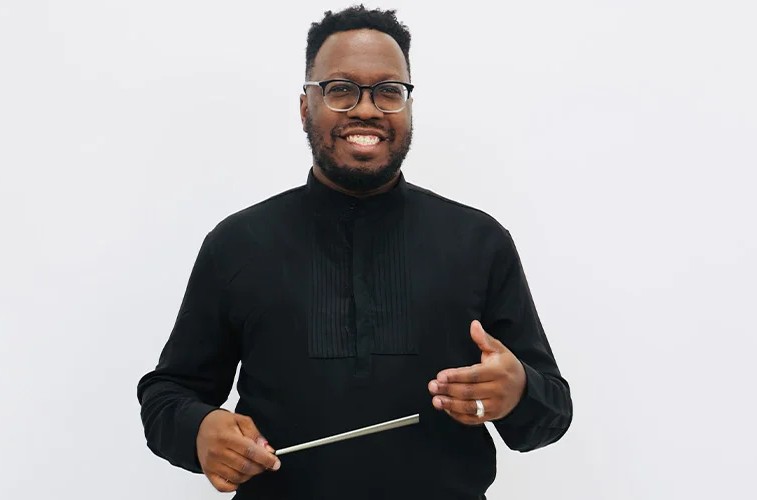
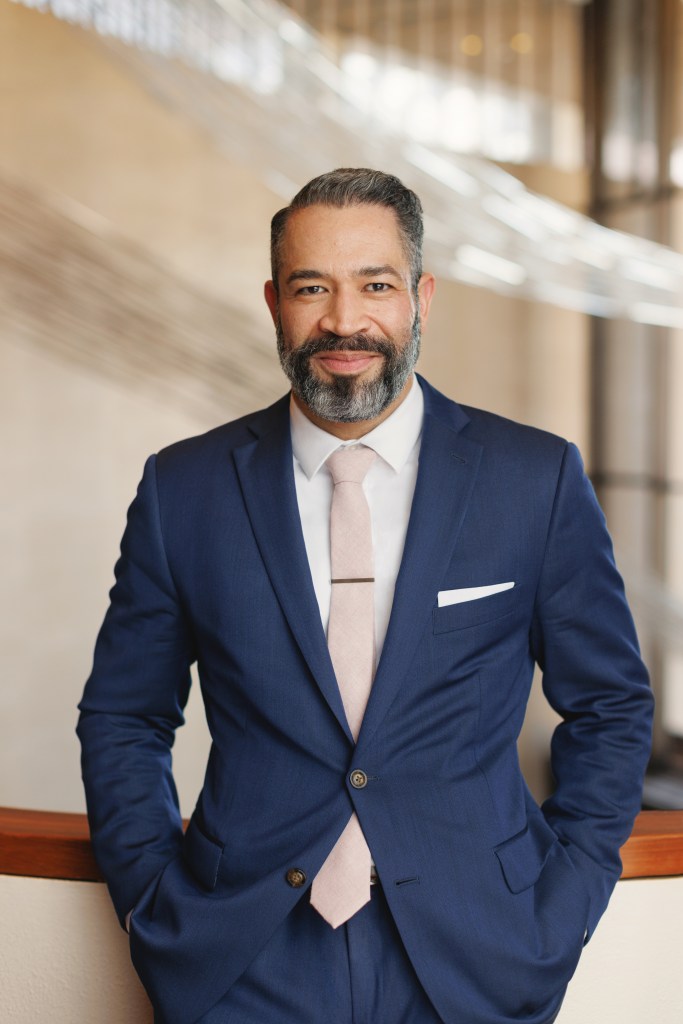
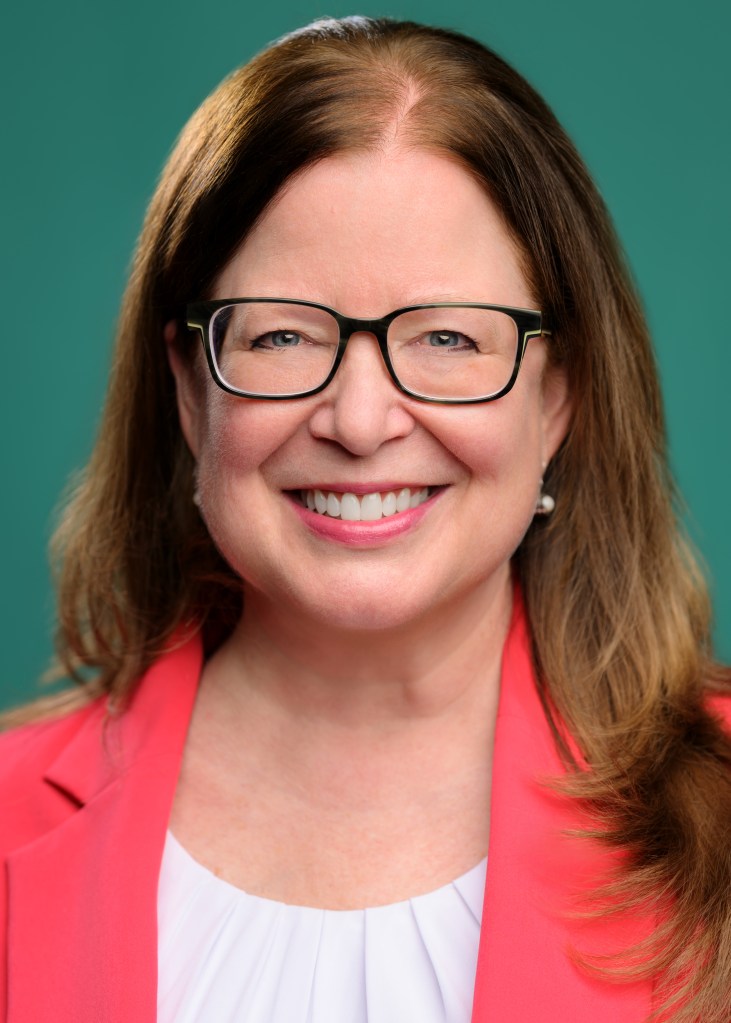
Clockwise, L-R: Gregory D. McDaniel, Brittany Webb, Jennifer Bielstein, Alex Soares, and Betsy Cook Weber / Courtesy of Houston Ebony Opera Guild; Museum of Fine Arts, Houston; Alley Theatre; Houston Symphony; and Houston Chamber Choir
Gregory D. McDaniel took the helm of Houston Ebony Opera Guild as its new Artistic Director, effective July 1, 2025, following an announcement of his appointment in May.
A Houston native, McDaniel returns to the Bayou City from the New Jersey Symphony, where he served as the Colton Conducting Fellow for the 2024-25 season. Previously, he has worked with numerous symphony orchestras and opera companies in the US and Canada, including the Orchestre Métropolitain in Québec, Orchestre Symphonique de Québec, Opera Ithaca, Boise Baroque Orchestra, Prizm Ensemble, and Opera in the Heights. He received his bachelor’s degree in Choral Music Education from the University of Houston and his master’s degree in Orchestral Conducting from the University of North Texas.
Gregory D. McDaniel
Houston Ebony Opera Guild stated in a press release that McDaniel’s appointment marks “a new chapter in the organization’s storied legacy of celebrating and advancing the contributions of Black classical musicians and composers.”
McDaniel succeeds Dr. Jason Oby, who stepped down after nearly three decades with the organization, serving as soloist, conductor, curator of repertoire and content, and Artistic Director.
“A great choice!” wrote Oby in a social media post regarding McDaniel’s appointment.
In response, McDaniel posted in a public comment: “Thank you, Dr. Oby. Your recognition means a great deal to me, especially since you have dedicated the past 28 years to advancing this organization to new heights of artistic and creative prominence both here and abroad. I hope to build upon the strong foundation of excellence you have established and to continue your legacy of dedication.”
In a statement, McDaniel also said that he aims “to introduce innovative strategies to engage new audiences and enhance the relevance of our contributions to the art form.”
***
When longtime founding Artistic Director Robert Simpson announced in early 2024 that he would retire from the Houston Chamber Choir after the 2024-25 season, Dr. Betsy Cook Weber was named the ensemble’s next leader.
Following Simpson’s 30th and final season and the announcement of a $1 million anonymous donation to the Choir in June, Dr. Weber will officially begin her tenure as Artistic Director of the Grammy Award-winning Houston Chamber Choir this fall.
Betsy Cook Weber
Dr. Weber is the Madison Endowed Professor of Music Emeritus and former Director of Choral Studies at the University of Houston Moores School of Music, as well as the Director Emeritus of the Houston Symphony Chorus. With degrees from the University of North Texas, Westminster Choir College (Princeton, NJ), and the University of Houston, she has an extensive background and award-winning reputation as a nationally and internationally active conductor, presenter, educator, and adjudicator.
“Betsy is a person I have worked with over the years. I admire her greatly. She’s been a part of the choral scene in Houston for many years. She’s extraordinarily well respected. … it gives me a great sense of comfort and excitement that the Houston Chamber Choir’s next chapter will be under the leadership of such an inspired musician,” Simpson told the Houston Press in an article by Sam Byrd.
The Houston Chamber Choir recently announced its 2025-26 season, Friends and Neighbors, which will open on September 6.
***
Alex Soares was recently named Chief Marketing Officer of the Houston Symphony, having served as Interim CMO since 2024.
Soares’ marketing leadership is tied to the orchestra’s growth in ticketing revenue, rise in subscription sales, and expanded audience engagement this past season, according to a press release.
During its 2024-25 season, subscription sales grew 12% and single ticket revenue rose 28% year-over-year, said the Houston Symphony. Additionally, “innovative programming and community-centered campaigns” drew high levels of audience attendance—including the sold-out April performances of Cynthia Erivo with the Houston Symphony, which set a record for the first single program in the Symphony’s history to surpass $1 million in revenue.
Alex Soares
Soares’ appointment as CMO is the second development in Houston Symphony leadership this year, following the appointment of Gary Ginstling to Executive Director/CEO in January.
“It’s an honor to step into this role during such a transformational chapter for the Symphony under Gary Ginstling’s leadership,” said Soares in a statement. “With bold artistic vision, a newly renovated Jones Hall, and a team deeply committed to connecting people through music, we have a unique opportunity to reimagine the concertgoing experience.”
A graduate of the University of Houston and an accomplished, formally trained contemporary dancer, Soares was President of technology firm REI Network, L.P. and founder of Wheelhaus Consulting, prior to joining the Houston Symphony, where he also served as Senior Director of Marketing before becoming CMO.
***
Last month, the Museum of Fine Arts, Houston announced the appointment of Dr. Brittany Webb as Curator in the Department of Modern and Contemporary Art.
Dr. Webb joins the MFAH from the Pennsylvania Academy of Fine Arts in Philadelphia (PAFA), where she has curated an extensive roster of exhibitions since 2018, most recently in her role as the inaugural Evelyn and Will Kaplan Curator of 20th-Century Art and the John Rhoden Collection. Previously, she served as a curatorial and research assistant at the African American Museum in Philadelphia (2014–18).
Her recent publications include her contributions for Toward Joy: New Frameworks for American Art, a major catalogue for the Brooklyn Museum of Art, and for the forthcoming Birmingham Museum of Art collection catalogue Roll Call: 200 Years of Black American Art, as well as Determined to Be: The Sculpture of John Rhoden (2023).
The MFAH’s social media announcement of Dr. Webb’s appointment received hundreds of positive reactions and scores of congratulations from the public, welcoming her to Houston.
Gary Tinterow, director and Margaret Alkek Williams chair of the MFAH, said in a statement that Dr. Webb “stood out for her strong sense of passion and purpose, deep connection to communities and constituents, and history of developing and producing thoughtful, illuminating exhibitions of American contemporary art and African American art within an international context.”
Dr. Webb received a Ph.D. in anthropology from Temple University and a B.A. in political science from the University of Southern California.
She begins her position at the MFAH this summer.
***
Texas native, former Houstonian, and veteran of the theatre world, Jennifer Bielstein has been named Managing Director of the Tony Award-winning Alley Theatre.
Bielstein will begin her new role on October 20, 2025 at a significant moment in The Alley’s history, as the company approaches its 80th anniversary in 2026. She succeeds Dean Gladden, who retires after a 19-year tenure that encompassed “a comprehensive renovation of the theatre complex, which necessitated a 14-month off-site relocation, $26 million in damages from Hurricane Harvey, and the global COVID-19 shutdown,” according to a press release.
Jennifer Bielstein
“To return home and serve the city’s flagship nonprofit theatre is truly an honor,” said Bielstein in a statement. “I look forward to working alongside the Alley’s exceptional Board, staff, crew, and artists, and to engaging fully with the Houston community as we build an exciting future together.”
With more than two decades of leadership experience in regional theatre, Bielstein has served as Executive Director of the American Conservatory Theater (A.C.T.) in San Francisco, as well as top positions at Guthrie Theater, Actors Theater of Louisville, and Steppenwolf Theatre Company. She is currently on the board of Theatre Communications Group (TCG).
The Alley’s Artistic Director Rob Melrose described Bielstein as “a legend in her own right” with a successful track record at major theatre companies, and he added in a statement: “I also feel that Jennifer’s warmth, kindness, and collaborative spirit are just what we need as we chart our way to Alley Theatre’s next era of success.”
In an interview with Margaret Downing of the Houston Press, Bielstein said that, in her career thus far, she is most proud of “creating really positive inclusive organizational cultures that ensure staff and artists and audiences feel welcome.”
Floorspread [detail], India, probably Gujarat, 19th century, cotton, block-printed, the Banoo and Jeevak Parpia Collection
The Museum of Fine Arts, Houston recently acquired 187 Indian textiles from Ithaca, New York-based collectors Banoo and Jeevak Parpia, whose private collection, assembled over the course of more than 40 years, is considered one of the most significant of its kind globally.
The exhibition From India to the World: Textiles from the Parpia Collection will display 67 pieces from this major acquisition, featuring both trade and domestic Indian textiles produced between the 17th and the early 20th centuries. It opens June 22 and will be on view through September 14, 2025 at the MFAH.
A “pivotal addition,” these newly acquired textiles mark a milestone for the MFAH, which becomes an institution that holds one of the top public Indian textile collections outside of India, according to Gary Tinterow, director and Margaret Alkek Williams chair of the MFAH.
Bed Cover (Colcha) [detail], Satgaon, West Bengal, India, for the Portuguese market, early 17th century, cotton, embroidered with tasar silk threads; added European fringe, the Museum of Fine Arts, Houston, the Banoo and Jeevak Parpia Collection, museum purchase funded by the Alfred C. Glassell Jr. Accessions Endowment
According to a press release, the exhibition will highlight “the distinctions between fabrics made for the India market and those produced for export to Southeast Asia and to Europe; their striking differences in color, pattern and format attest to the versatility with which Indian textile artists adapted designs to different markets.”
Pieces range from woven silks and muslins, embroideries, tie-dyes and ikats, and block-printed cottons for the home market; to chintzes made for export to Britain and The Netherlands; to a quilt embroidered with Biblical and classical scenes that was traded to Portugal.
“The Parpias’ focus on singular works exemplifying traditional forms and techniques offers a comprehensive view of Indian textile history,” Tinterow said in a statement.
Previously, the Parpias had loaned textiles to the MFAH for the exhibition, Woven Wonders: Indian Textiles from the Parpia Collection, presented in 2023.
Chintz Panel, Coromandel Coast, India, for the European market, c. 1730–50, cotton, hand-drawn, resist-dyed, and mordant-dyed, the Museum of Fine Arts, Houston, the Banoo and Jeevak Parpia Collection, museum purchase funded by the Alfred C. Glassell Jr. Accessions Endowment
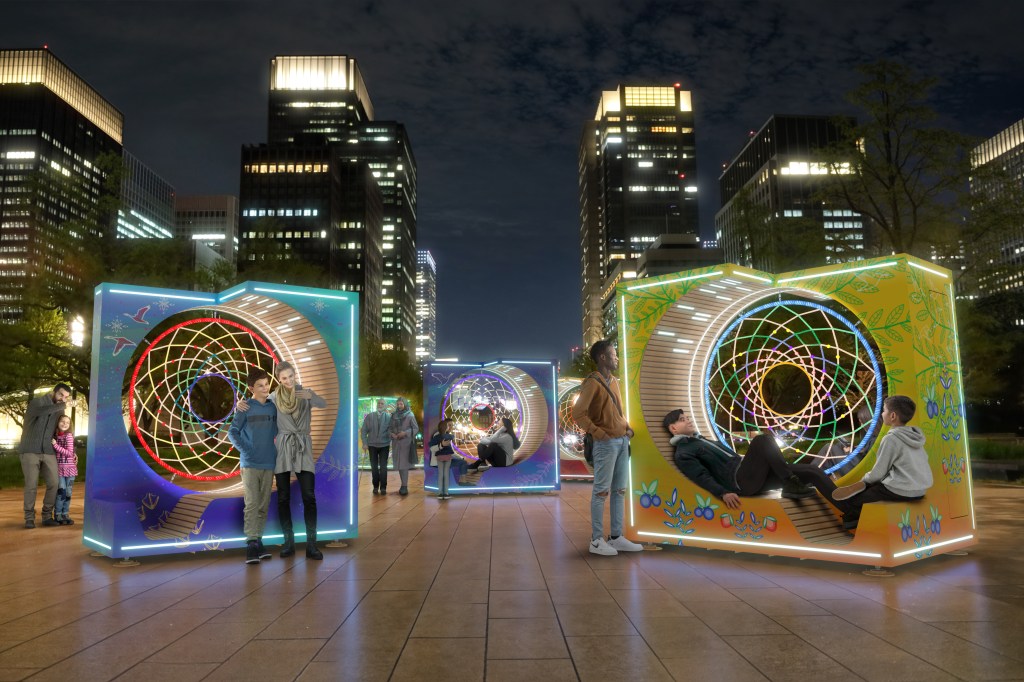
An artist rendition of the installation Weci | Koninut, opening June 26, 2025 at Houston’s Avenida Plaza / Courtesy of Houston First, Creos, and Init
Houston First recently announced plans to unveil a World Premiere art installation, Weci | Koninut, on Avenida Plaza this summer.
Designed as an immersive outdoor experience combining visual arts, storytelling, and sensory technologies, Weci | Koninut was conceived by First Nations artists Julie-Christina Picher and Dave Jenniss, and created in collaboration with Quebec companies Creos and Init, as well as with Houston First. It will be installed on June 25, and then open to the public from June 26 through September 1, free of charge.
“Featuring larger-than-life dreamcatchers and an immersive sound and visual environment, the work transforms the city into a dreamlike forest, creating a living dialogue between ancestral territories, dreams, and Native art,” according to a press release.
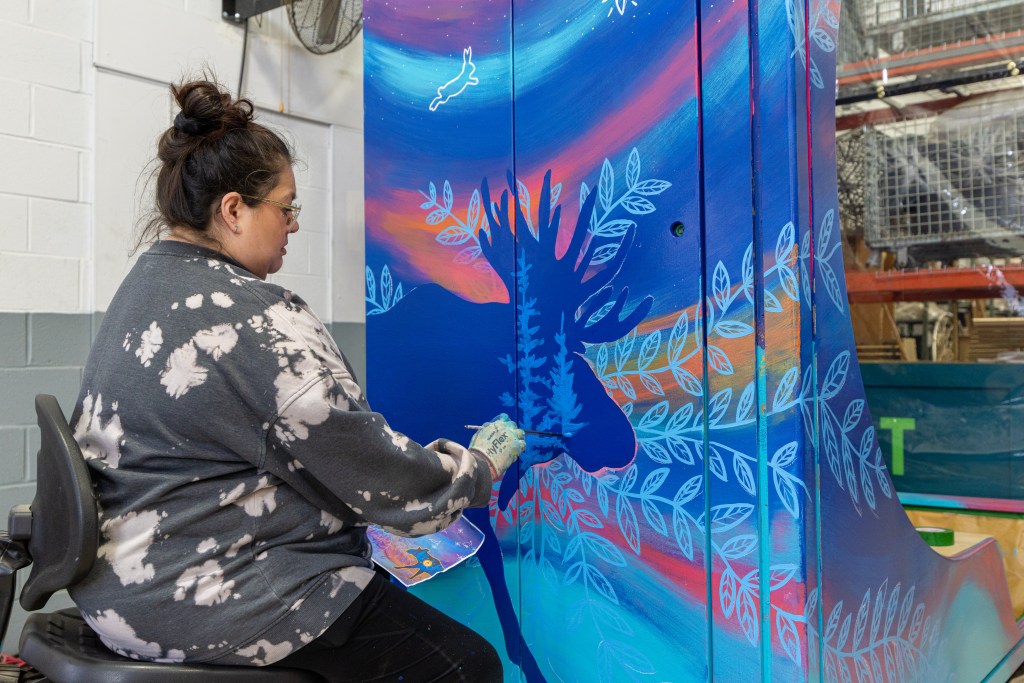
Artist Eruoma Awashish in the making of Weci | Koninut / Courtesy of Houston First, Creos, and Init
Inspired by Notcimik, a sacred territory of the Atikamekw people, the interactive installation will contain six structures that guide visitors through the six seasons of Aikamekw culture, from Pitcipipon (pre-winter) to Takwakin (autumn). The luminous sculptures are activated as the public walks by.
Organizers say that Weci | Koninut invites viewers “to slow down, feel, listen, and dream” and aims to raise “essential questions about our relationship with the environment, our collective memory, and our diverse identities.”
Houston is the first stop along the artwork’s international tour, marking efforts to promote contemporary Indigenous art on a global scale—and to showcase Houston as a global destination for culture and innovation, according Michael Heckman, president and CEO of Houston First Corporation.
“This unique installation offers our community an exciting immersion into the richness of Native traditions and celebrates the importance of art in building bridges between peoples,” said Heckman in a statement.
An artist rendition of the installation Weci | Koninut / Courtesy of Houston First, Creos, and Init
Sculptures by artist Hugo Pérez commissioned by MFAH and ALMAAHH for the 2023 Fall Festival. Inspired by the story of his family’srescued Chihauhau, Hugo created the work to bring attention to the homeless dog situation in Houston. His color palette is inspired by the use of indigo in El Salvador / Courtesy of www.hugoperezart.com
Six Houston Latinx artists will be selected to create large-scale, temporary sculptures to be on view in the MFAH’s Cullen Sculpture Garden during the Fall Festival scheduled for November 10 – 17, 2024.
Now in its third year, the Fall Festival “celebrates the Museum’s commitment to Latin American and Latino art, and art of the Indigenous Americas,” as stated by the MFAH. Last year’s festival featured sculptures by six artists highlighting the theme Dream with Alebrijes, as well as live music, dance, and art-making activities for families.
The theme of the 2024 Fall Festival is Myths and Leyendas.
Myths and Leyendas is a connective tissue throughout Latin America in the sense that every country, region has their own legends/myths/folklore. These stories travel with people, are passed down from generation to generation and continue to evolve throughout the Latinx diaspora. For example, El Salvador has the folklore of El Cadejo, a dog-like creature which can appear in as a white dog (for protection) or as a black dog (bad omen). La Llorona, the infamous mythology of a woman based in colonial times in Mexico. La Tunda, a jungle shapeshifter from the Pacific coast of Colombia/Ecuador of the Afro-Colombian community. Los Duendes, gnome-like creatures which go by different names throughout Latin America (Tata Duende in Creole communities in Belize, Alux in Mayan beliefs throughout Yucatan Peninsula and Guatemala). This theme empowers the artists to bring their own cultural background in the creation of the sculpture and educate others through their work.
– Press release from ALMAAHH and MFAH
Latinx artists who live and work in Houston are eligible to apply, and there is no application fee.
Proposed sculptures should be visible from the street, weather-resistant to outdoor conditions, and inspired by myths and folklore of Latin America.
A stipend of $5,000 will be provided to each artist to cover labor, materials, and transportation of the artwork.
More information and a link to the application can be found here. The deadline to apply is August 5, 2024.
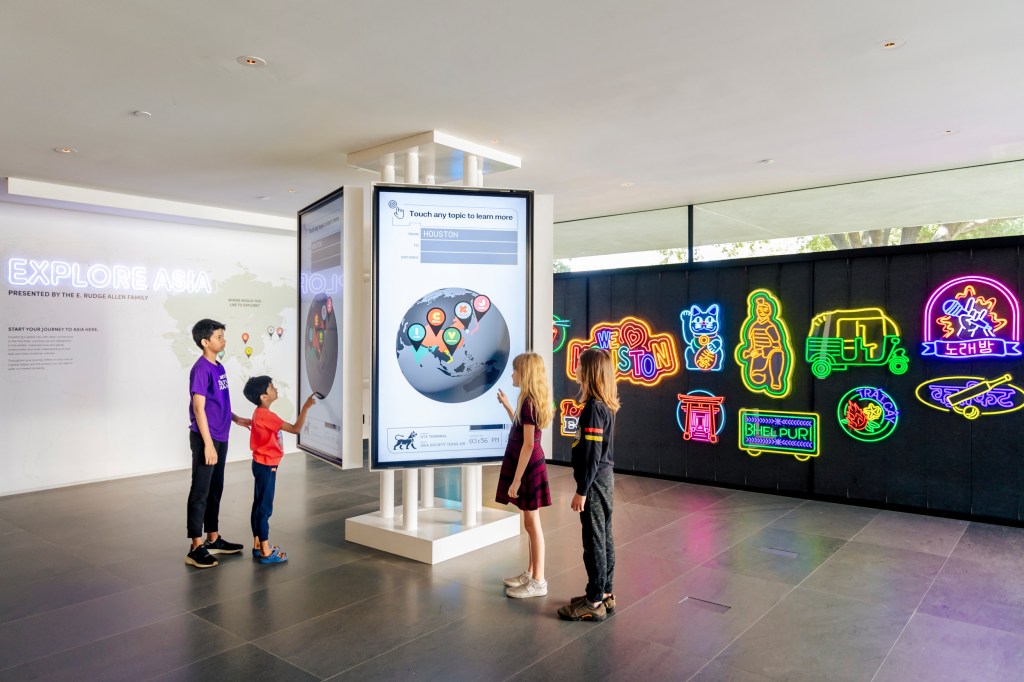
The Gateway to Asia activation in Asia Society Texas’ new permanent ‘Explore Asia’ educational exhibition. Photo by Chris Dunn/ Courtesy of Asia Society Texas
Asia Society Texas Center has announced that it is waiving admission this week through Sunday as an “escape” for Houstonians dealing with the aftermath of Hurricane Beryl, which struck the Greater Houston region on Monday morning as a Category 1 hurricane.
“We sincerely hope you are well after Hurricane Beryl, and our hearts go out to everybody in the Houston area,” stated the organization on social media and in an email. “We welcome you to visit and escape the heat at no cost through Sunday, July 14. Enjoy our exhibitions and A/C for free!”
The free admission through Sunday includes access to Explore Asia, an immersive $4.6 million exhibition that just opened a year ago; Relatum — signal, a site-specific sculpture by Korean artist Lee Ufan; and Xu Bing: Word Alchemy, featuring more than 50 woodcut prints, videos, drawings, installations, and other works by contemporary Chinese artist Xu Bing (b. 1955).
“This is the last week of the Xu Bing exhibition as well, so we’re hoping we can be of service to the community, and they get a chance to see the art before it goes back to China,” said Stephanie Todd Wong, Vice President of Communications and External Affairs, at Asia Society Texas Center.
FINAL WEEK: Charting almost 50 years of artist Xu Bing's linguistic experiments, the exhibition 'Word Alchemy' features new commissions and works never before shown in the U.S. Enjoy FREE admission before the exhibition closes on Sunday, July 14! »https://t.co/ZlEbPZc3QXpic.twitter.com/WNf1Eh0uVA
— Asia Society Texas Center (@asiasocietytx) July 10, 2024
Information on hours, parking, and accessibility can be found here.
Tickets for Asia Society Texas Center typically range from $5-$15, with members and children ages 6 and under always free, according to its website.
The Texas Commission on the Arts and the Texas Cultural Trust have announced that the application cycle is now open for the 2024 class of Young Masters, described as “a joint initiative that provides exemplary Texas student artists in grades 8-11 with the financial help they need to pursue advanced study in the areas of visual arts, literary arts, music, theater, dance, musical theater, folk arts, and media arts.”
Awardees will receive grants of $5,000 per year (for up to two years, with submission of a report and update required) to fund their studies in their respective artistic fields.
Applicants must be 8th through 11th grade students who are legal U.S. residents living in Texas and participating in a school-based program, a summer institute, or a specialized course of study or receiving private lessons from a qualified professional instructor, as stated in a press release.
A panel of arts experts from across the state will review applications based on artistic excellence, level of commitment, and quality of their proposed plan of study.
“The Young Masters grant program was created as a way to recognize and support young people pursuing the dream of becoming prominent Texan artists of the next generation,” said Gary Gibbs, Texas Commission on the Arts Executive Director, in a statement.
“We look forward to receiving applications from candidates who are already demonstrating outstanding artistic ability, talent, and dedication to developing their knowledge in their chosen discipline,” he said.
According to a press release, Texas Commission on the Arts and Texas Cultural Trust have given 401 grants to 184 Young Masters, awarding more than $1.2 million to date.
In 2022, 15 Young Masters were awarded grants, including four students from the Greater Houston area (Natalie Hampton, Houston – Literary Arts; Gabi Wager Saldivar, Houston – Musical Theater; Bryant Li, Katy – Music; Aarushi Lakhi, Pearland – Dance). The 2024 grantees will represent the 12th class of Young Masters, whose roster dates back to 2002.
“We are thrilled to help these Young Masters take their education to the next level and bolster their creative training. This program opens doors to opportunities never imagined for these young artists and cultivates the Texas legends of tomorrow,” said Heidi Marquez Smith, Texas Cultural Trust Chief Executive Officer, in a statement.
Applications and more information are available here. There is no application fee.
Artists with disabilities can find information on alternative ways to apply here.
Deadline to apply is November 1, 2023. Grantees will be notified by April 1, 2024 and will be honored at a celebration in spring 2024 in Austin.
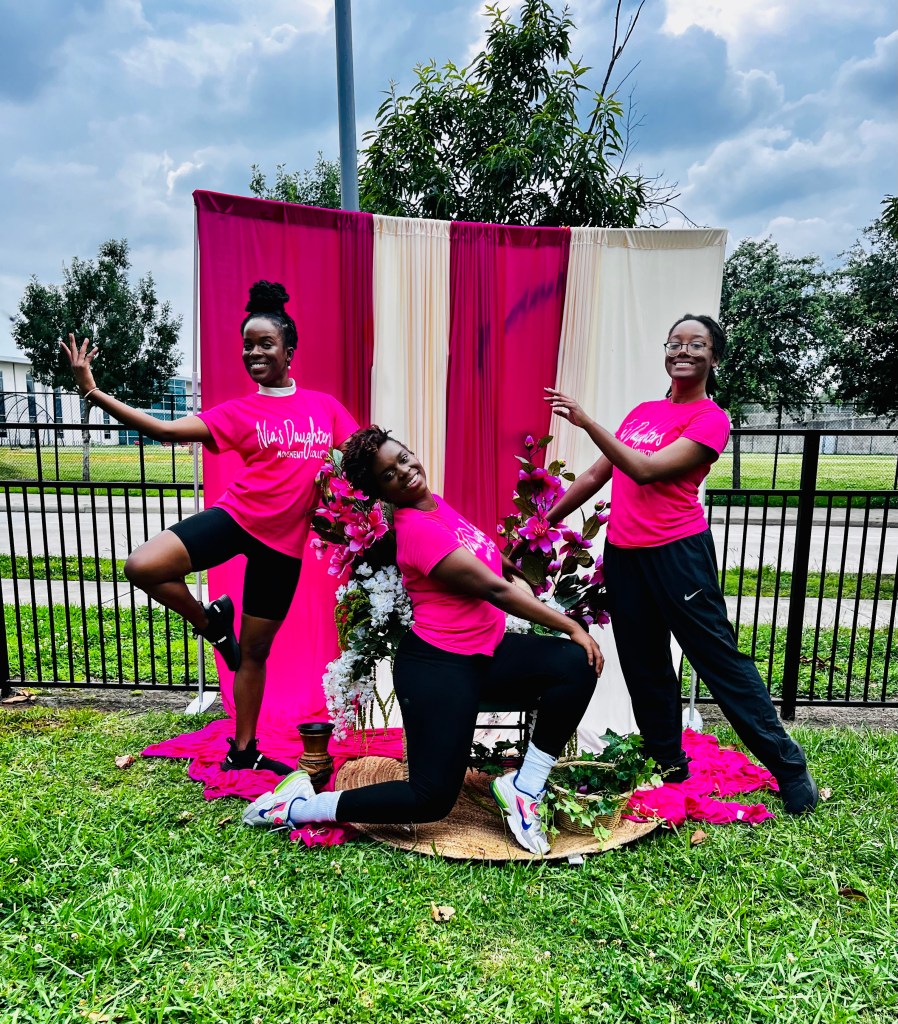
Nia’s Daughters Movement Collective hosted a Mother’s Day event with storytelling and a movement class in Wiley Park in Freedmen’s Town, May 2023 / Photo courtesy of Stacey Allen
Through residencies by four artists and collectives between June – September 2023, CAMHLAB at Freedmen’s Town aims to honor, preserve, and amplify the histories, stories, and experiences of Houston’s oldest Black settlement and its residents.
Situated along Buffalo Bayou in Houston’s Fourth Ward, Freedmen’s Town was settled shortly after June 19, 1865—Juneteenth—when enslaved African Americans were finally granted the freedom that had been legally theirs since the issuance of the Emancipation Proclamation 2 ½ years earlier. Eager to begin new lives in a new place as freed people, these men, women, and children from the surrounding rural areas journeyed to Houston, and began creating a community.
In what became known as Freedmen’s Town, they built homes, schools, businesses, churches, and lives. They built a world in which African Americans could prosper and thrive. Freedmen’s Town is where Black Houston took shape … By 1880, Freedmen’s Town was home to 95% of Black Houstonians. By the 1930s, it had produced over 400 Black-owned businesses. It was the “mother ward,” the Harlem of the South.
Freedmen’s Town overlooking downtown Houston / Photo courtesy of Houston Freedmen’s Town Conservancy
In March, the mental health and arts nonprofit The Black Man Project, dance company Nia’s Daughters, and interdisciplinary artists Ann ‘Sole Sister’ Johnson and Billion Tekleab were announced as the 2023 CAMHLAB Freedmen’s Town Artists-in-Residence, and they will carry out projects, community activities, and public presentations over the course of this summer and coming months.
Choreographer and dancer Stacey Allen is the founder and Creative Director of Nia’s Daughters, a movement collective whose works aim to incorporate social justice and activism. During their residency, Allen says her company will create a body of work that centers the stories of resilience and resistance of African Americans in Texas—including The Fairytale Project, a dance theater production inspired by the love story of Jim and Winnie Shankle, and Aesthetic Inheritances, a film and exhibit made in collaboration with artists Danielle Mason and Keda Sharber, which highlights the Freedom Colony Barrett Station and explores Black material culture.
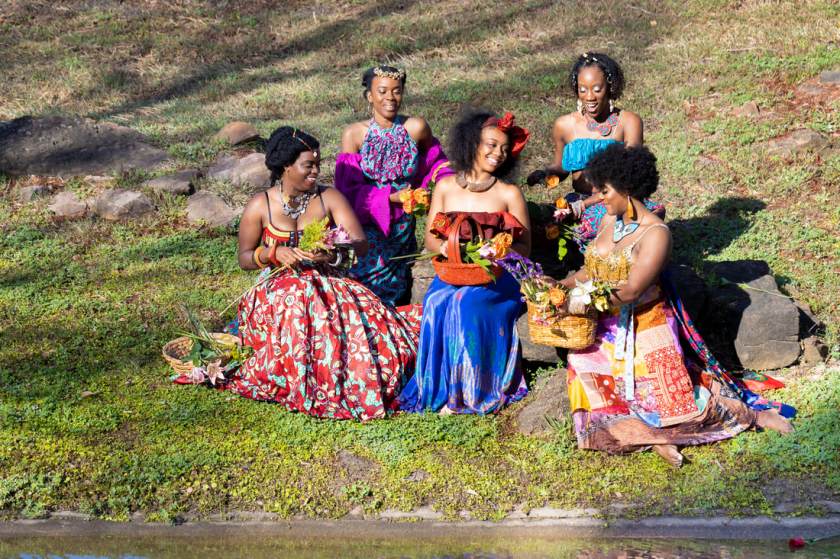
Nia’s Daughters in “The Fairytale Project” / Keda Sharber of Images by Papillon
“This work in Freedmen’s Town is a beautiful extension of this path of storytelling. We’ve been here and will not allow for our stories to be erased. Our goal is that this work conjures memory and sparks something inside audiences, and they cherish their own histories,” said Allen.
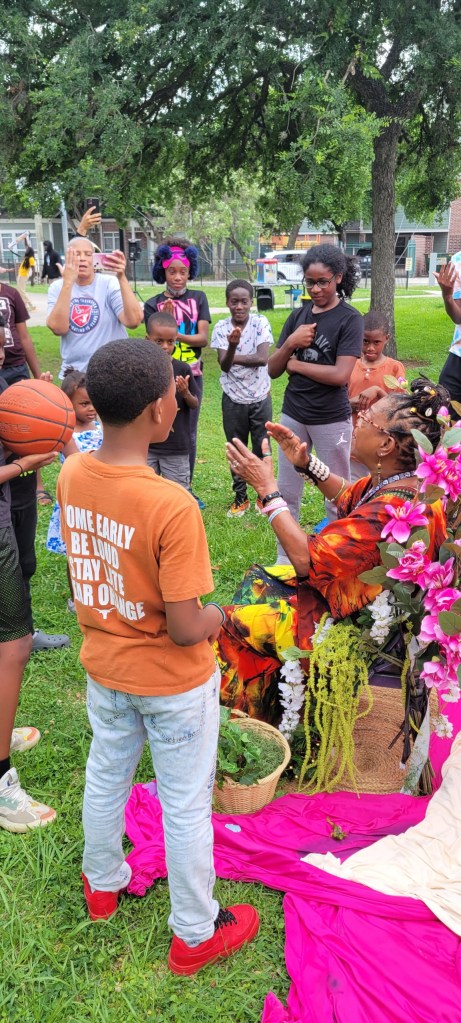
According to Allen, Nia’s Daughters kicked off their CAMHLAB residency by hosting an interactive, yet laidback outdoor Mother’s Day event in May in Freedmen’s Town.
“We engaged residents with storytelling with the elder Sister Mama Sonya, and our company members, Lakendra Howard and Sydney Hart with myself led the children in a movement class,” said Allen. “The rest was a super organic kickback—popcorn, juice, a DJ—you know, feeling the flow of Sundays at Wiley Park.”
Nia’s Daughters presented a Mother’s Day event at Wiley Park to kick off their CAMHLAB at Freedmen’s Town artist residency / Photo courtesy of Stacey Allen
Allen says they will return to Wiley Park for another event in coming months, which will include more movement classes, more storytelling, and more kicking back with the community.
“We truly respect the work that Charonda Johnson [Vice President of the Freedmen’s Town Association and a fifth generation Freedmen’s Town resident] has done in her neighborhood and are just honored to be able to build trust with Freedmen’s Town residents and share our movement practice with the youth.”
Allen told Houston Arts Journal that Nia’s Daughters will also present a public program at POST, to be scheduled in the fall, which will include a quilting workshop by Joethella Gipson and the debut of Sister Mama Sonya’s “mahogany messages: poetic melodies,” a new poetry and dance piece with narratives about Freedmen’s Town residents.
This work in Freedmen’s Town is a beautiful extension of this path of storytelling. We’ve been here and will not allow for our stories to be erased. Our goal is that this work conjures memory and sparks something inside audiences, and they cherish their own histories.
Stacey Allen, Nia’s Daughters Movement Collective
These artist residencies point to a community partnership between Contemporary Arts Museum Houston and Houston Freedmen’s Town Conservancy that goes back to 2020, when the two organizations began formal discussions and programming centered around community engagement and empowerment, as well as “the shared belief that arts and culture is an essential catalyst for change.”
Their partnership also supports artists-in-residence at POST, including Freedmen’s Town Lead Research Fellow Amarie Gipson, whose Reading Room is a curated library of books by and about Black artists, and Freedmen’s Town Film Documentarian Nate Edwards, whose works-in-progress can be viewed this summer during open studio hours:
CAMHLAB at Freedmen’s Town is part of Rebirth in Action: Telling the Story of Freedom—a multi-year project of CAMH, HFTC, the City of Houston, and artist Theaster Gates—which was announced in January and funded by a $1.25 million grant from the Andrew W. Mellon Foundation and an NEA “Our Town” grant.
With the goal to “to promote Houston Freedmen’s Town as monument of Black community, agency, and heritage,” according to a press release, Rebirth in Action includes various phases of artist-led, community, and infrastructure projects—including the archaeological preservation of brick streets, laid by formerly enslaved residents, which hold historical, spiritual, and cultural significance.
Historic Freedmen’s Town bricks at the intersection of Wilson Street and Andrews Street / Photo courtesy of Contemporary Arts Museum Houston
L-R: Linda Lorelle, moderator, with Houston mayoral candidates Robin Williams, John Whitmire, Sheila Jackson Lee, Lee Kaplan, Gilbert Garcia, Robert Gallegos, and Amanda Edwards at the Houston Mayoral Forum on Arts and Culture / Photo by Catherine Lu
This past Monday night, the Houston Mayoral Forum on Arts and Culture—the first candidate forum of this campaign—took place before a packed audience at the Hobby Center’s Zilkha Hall.
The public event was organized by the city’s seven state-designated cultural districts: Arts District Houston, East End Houston Cultural District, 5th Ward Cultural Arts District, Houston Museum District, Midtown Cultural Arts and Entertainment District, Third Ward Cultural Arts District, and Theater District Houston.
In an interview with Houston Public Media, Alison Weaver, Co-President of the Museum District Association and Director of Rice University’s Moody Center for the Arts, said it was exciting to see Houstonians’ enthusiasm and support for the city’s arts and culture.
“We had over 600 people registered for the event before we had to shut down the online registration system,” said Weaver on Houston Matters with Craig Cohen. “So, the energy in the room was fantastic. The interest from across the city was extraordinary.”
According to Hillary J. Hart, Chair of Theater District Houston and Executive Director of Theatre Under the Stars, 400 people showed up in person for the event, filling Zilkha Hall to near capacity.
One of those in attendance was writer, activist, and Houston Poet Laureate, Aris Kian Brown, who live tweeted the forum from her perspective as a member of the arts and culture community:
WE BEGIN! Follow along as I live tweet from Mayoral Forum for Arts & Culture. The room is packed with cultural advocates, arts admin, artists, community organizers and residents at the intersection of all. 🔥 pic.twitter.com/Sw7OLsjSjU
Brown documented the candidates’ responses—including goals to increase public art, create affordable housing for artists, and identify new sources of funding for artists—while also expressing her frustration for what she called a lack of “innovative solutions.”
“The candidates had no genuine solution or long-term engagement with arts institutions or artists. We have so much work to do,” she tweeted.
Seven Houston mayoral candidates participated: Amanda Edwards, Robert Gallegos, Gilbert Garcia, Lee Kaplan, Sheila Jackson Lee, John Whitmire, and Robin Williams.
Emmy Award-winning journalist Linda Lorelle served as moderator. Lorelle is also a ballroom dancer, who has been involved on the advisory board for Hope Stone Dance.
Lorelle told the audience that all of the questions were “sourced after conversations and interaction with all of you in the community. So, these are the questions you want answered.”
Candidates responded in alphabetical order, with two minutes to answer each question.
You can watch the entire 2023 Houston Mayoral Forum on Arts and Culture, recorded by Houston Media Source, here:
Forum Questions:
“More than 70% of Americans believe that the benefits of the arts extend beyond the individual to the community. If you are mayor and are planning for the city of the future, how will you ensure that Houston is recognized as a cultural leader?” [14:00 mark in the video]
“Dallas spends on average $17 per capita on the arts, while Austin spends $22.90, compared to Houston’s—are you ready for it—$6.70 … Houston’s thriving arts and culture scene is a significant contributor to the quality of life for its residents and visitors. It is an important economic driver, a primary recruiting tool for corporations, and a key tourism attraction for the city. So, in addition to the current Hotel Occupancy Tax allocations, what plans do you have as Mayor to increase funding for the arts outside of the Hotel Occupancy Tax?” [27:05 mark in the video]
“The city’s previous Cultural Plan is dated 2015. What is your plan as Mayor to invest in and commit to a new citywide Cultural Plan for 2024 and beyond? How will you ensure that diversity, equity, and inclusion are prioritized under this plan?” [42:30 mark in the video]
“There is near universal support for arts education: 91% of Americans believe that the arts are part of a well-rounded K-12 education. Over 90% say students should receive an education in the arts in elementary, middle, and high school. With the state taking over HISD, how will you as Mayor assist schools in making arts education a priority and accessible?” [57:16 mark in the video]
“The arts sector needs artists and workers to thrive. How would you as Mayor ensure that Houston’s diverse artists and cultural workers stay here and thrive here?” [1:12:23 mark in the video]
You can also read the candidates’ written responses to a Pre-Forum Q&A here.










 Houston Arts Journal